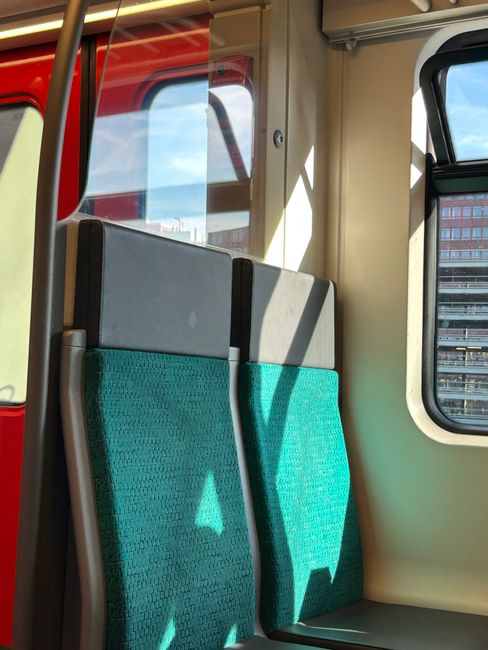
Elmers End station upholstery cleaning for commuters
If you commute through Elmers End, you already know how quickly upholstery starts to look tired. A coffee splash on the morning train, a damp coat left on the seat, crumbs from a rushed breakfast, that faint commuter smell that somehow lingers by Friday afternoon. Elmers End station upholstery cleaning for commuters is really about keeping your seats, sofas, benches, and soft furnishings fresh without adding stress to an already packed week. Whether you are looking after a home near the station, a shared rental, a small office, or even a waiting area that sees a steady flow of people, the same rule applies: regular cleaning saves time, protects fabric, and makes everyday life feel a lot more pleasant.
In this guide, we'll walk through why it matters, how it works, what to expect, and how to avoid the common mistakes that turn a quick clean into a bigger job later. We'll keep it practical, local in feel, and useful if you are trying to decide whether to book a professional service or simply improve your upkeep routine first.
Contents
- Why it matters for commuters
- How the cleaning process works
- Key benefits and practical advantages
- Who needs this and when it makes sense
- Step-by-step guidance
- Expert tips for better results
- Common mistakes to avoid
- Tools, resources and recommendations
- Law, compliance and best practice
- Options and comparison table
- Real-world example
- Practical checklist
- Conclusion
- Frequently asked questions
Why Elmers End station upholstery cleaning for commuters Matters
Commuters put upholstery under a particular kind of pressure. It is not just the obvious dirt. It is the daily repetition. Wet umbrellas in winter. Sand, dust, and grit from shoes. Body oils. Lunch spills. Pet hair if you are carrying a carrier or coming home to a dog-friendly flat. All of that builds up in fabric fibres, and once it settles in, it can be much harder to shift with a quick surface wipe.
Elmers End station upholstery cleaning for commuters matters because a commuter schedule rarely leaves room for "I'll deal with that later" jobs. Later tends to become next month, and next month becomes a stubborn stain with a slightly musty smell. To be fair, most people do not notice the gradual change until they sit down one day and think, hang on, when did this sofa start looking grey?
There is also a practical side. Cleaner upholstery can help a room feel lighter, make a small space less stuffy, and prolong the life of the fabric. That is especially useful in homes close to a busy station where people are in and out all week, or in small businesses that want a tidy first impression without overthinking it.
If you are thinking more broadly about keeping indoor fabrics in good shape, it can help to look at related services too. For example, professional upholstery cleaning is the core service, while sofa cleaning and targeted stain removal often fit neatly alongside it when a stain is more specific or a piece of furniture needs extra care.
Expert summary: If upholstery is used daily, especially by commuters and household members coming and going at different times, routine cleaning is less about "making it look nice" and more about preventing grime from settling deep into the fabric.
How Elmers End station upholstery cleaning for commuters Works
Most upholstery cleaning begins with an inspection. A good cleaner will identify the fabric type, the level of soiling, and any trouble spots such as ink, food, drink marks, pet odour, or friction wear around seat edges. That matters more than people realise. A velvet chair, a synthetic office chair, and a wool blend sofa all behave differently once moisture and cleaning solution are introduced. Use the wrong approach, and you can make a small problem oddly dramatic.
In a typical professional clean, the process may include dry soil removal, pre-treatment of stains, agitation where needed, and a controlled extraction or steam-based clean depending on the material. Drying time depends on the fabric, airflow, and how heavily the item was soiled. A commuter household often benefits from early-morning or evening appointments because the room can then be left to dry while everyone is out. That simple planning trick saves a lot of faff.
There is a difference between a quick refresh and a deep clean. A refresh might help when the upholstery looks dull but is not heavily marked. A deep clean is more suited to established traffic marks, older staining, or furniture that has not been professionally treated for a while. If you manage a shared waiting room, rental property, or small workplace near Elmers End, this distinction becomes especially important because usage patterns can shift fast and one neglected armchair can drag down the whole room.
For heavier natural-fibre cleaning or mixed fabric environments, some people compare the upholstery clean with steam carpet cleaning or broader carpet cleaning if the room has both soft seating and floor coverings that need attention at the same time. That combination is often more efficient than booking several separate visits.
Key Benefits and Practical Advantages
The obvious benefit is cleaner furniture. But there is more to it than that.
- Better day-to-day comfort: Fresh upholstery simply feels more pleasant to sit on after a long commute.
- Improved appearance: A cleaner chair or sofa makes the whole room look more cared for, even if nothing else has changed.
- Fabric preservation: Dirt acts like fine grit. Over time, it rubs against fibres and shortens the usable life of the material.
- Odour reduction: Commuter life brings wet coats, takeaway food smells, and the occasional mystery smell. Upholstery can hold all of it.
- Better hygiene: Regular cleaning helps remove built-up residue from everyday use. It is not magic, but it helps a lot.
- Time savings: Professional care can be quicker and less stressful than repeated DIY attempts that never quite finish the job.
For a household near Elmers End station, one of the less obvious benefits is rhythm. If your mornings are already a sprint to the platform, the last thing you need is a sofa that needs endless spot-cleaning because someone knocked over tea six weeks ago. Cleaner upholstery makes the whole place easier to manage. Small win, but a real one.
And for businesses, especially those with client-facing seating, the benefit is first impression. A faded, stained reception chair sends a message, whether you want it to or not. Cleaner furniture feels intentional. It says someone is paying attention.
Who This Is For and When It Makes Sense
This service is not just for large homes or fancy interiors. In fact, commuters are often the people who need it most because the furniture is working hard every single day.
It makes sense if you:
- live near Elmers End station and use your sofa, dining chairs, or armchairs heavily after work
- have children, pets, or both, and the soft furnishings are starting to show it
- rent out a property and want the upholstery to stay presentable between tenancies
- manage a small office, salon, clinic, or reception space with regular footfall
- notice lingering odours from food, smoke, pets, or damp clothing
- have light-coloured fabric that seems to attract every mark known to humankind
It also makes sense when you are preparing for a change: guests arriving for a few days, a move, a refit, or the simple reality that spring has arrived and the whole place suddenly looks more honest in daylight. Truth be told, morning light through a window can be ruthless.
If the issue is not the sofa itself but a specific spill or smell, a more targeted service may help. Pet stain and odour removal is especially useful where the problem is not visible grime but a persistent smell that keeps coming back. For furniture with special materials or mixed surfaces, that kind of focused approach can save both time and money.
Step-by-Step Guidance
If you are planning an upholstery clean around a commuter schedule, a clear process makes everything smoother. Here is the practical version.
- Identify the furniture and fabric type. Note whether it is a sofa, armchair, office chair, bench seat, or dining chair. If you know the fabric label or cleaning code, keep it handy.
- Check the main problem. Is it general dullness, visible staining, odour, pet hair, grease, or drink marks? The answer changes the treatment.
- Clear the space. Move bags, throws, papers, and loose items away. In a commuter household, there is usually at least one scarf or backpack lurking on the nearest chair.
- Vacuum thoroughly. Dry soil comes off first. This is basic, but skipping it makes the rest less effective.
- Pre-treat problem areas. A cleaner may use a suitable spot treatment before the full clean. This is where patience matters.
- Apply the right cleaning method. That might be low-moisture care, steam extraction, or another fabric-safe process.
- Allow proper drying. Ventilation is key. Open a window if suitable and safe, and avoid sitting on the furniture too early. We all do it anyway once in a while, but ideally, don't.
- Inspect the result. Check for marks that need a second pass, then maintain the item with regular vacuuming and prompt spill treatment.
If you are comparing approaches, it may help to bundle jobs. A room clean is often more efficient when upholstery is treated alongside flooring or nearby curtains. For instance, curtain cleaning can help when dust and odour are moving through the same space, especially in compact flats or office areas with limited airflow.
Expert Tips for Better Results
A few small habits make a surprisingly big difference. Nothing fancy. Just sensible upkeep.
- Deal with spills quickly. Blot, don't rub. Rubbing pushes liquid deeper into the fibres and can spread the mark.
- Rotate seating use where possible. The same cushion or chair always gets the worst wear. Moving the habit around helps.
- Vacuum before dirt becomes visible. That top layer of dust and grit is what causes the gradual dullness people notice later.
- Use throws with care. They can protect fabric, but only if you wash the throws themselves. Otherwise, it is just decorative dust collection.
- Let air move through the room. Good ventilation helps drying and reduces lingering smells. Especially in winter, this is easy to forget.
- Ask about fabric suitability. A reliable cleaner should explain whether the material can handle moisture, heat, or a low-water method.
One useful local habit is to time the clean around your commute. If you are out early and back late, you can give the room a full window to dry. That is ideal, really. No one wants to come home and find they have booked a clean right before a rain-heavy evening and a house full of damp furniture.
For larger premises or shared buildings, it can also help to think beyond upholstery alone. Commercial carpet cleaning can support the same presentation goals if the furniture sits in a reception, meeting area, or customer-facing space. It keeps the whole environment more consistent.
Common Mistakes to Avoid
Upholstery cleaning looks simple from the outside, and that is part of the problem. A few mistakes keep showing up.
- Using too much water: Fabric that stays damp for too long can develop odour or spotting.
- Testing nothing first: Always patch test where appropriate. Hidden areas exist for a reason.
- Scrubbing aggressively: This can flatten the pile, damage fibres, and make the mark look wider.
- Waiting too long: Fresh spills are manageable. Old stains are, well, much less polite.
- Ignoring the odour source: Surface cleaning only helps if the smell is also dealt with properly.
- Assuming every fabric is the same: It is not. Not even close.
Another common issue is expecting one visit to fix years of wear in a single pass. Sometimes it does improve a great deal. Sometimes a second treatment is sensible. A professional should be honest about that rather than promising a miracle. That honesty matters.
And yes, there is always that one person who says, "I'll just use a bit of washing-up liquid." Let's not. Not on upholstery, unless you enjoy random residue and patchy results.
Tools, Resources and Recommendations
You do not need a van full of equipment to keep upholstery in decent shape between professional cleans. A short, practical toolkit goes a long way.
| Tool or resource | What it helps with | Why it matters |
|---|---|---|
| Vacuum with upholstery attachment | Routine dust and crumb removal | Prevents soil from settling deep into fibres |
| Microfibre cloth | Blotting spills | Absorbs liquid without aggressive rubbing |
| Soft brush | Lifting dry debris and restoring texture | Useful for seams, piping, and textured fabrics |
| Fabric-safe spot cleaner | Small fresh marks | Helps when used carefully and tested first |
| Good ventilation | Drying after cleaning | Reduces musty smells and speeds up recovery |
For readers who want to understand the company side of things before booking, it is sensible to check practical pages such as pricing and quotes, payment and security, and insurance and safety. Those pages help set expectations around cost, protection, and what happens if the job has special handling needs.
If you are interested in the wider values behind a provider, there is also recycling and sustainability, which can matter if you prefer a cleaner who thinks carefully about waste and product use. Not every cleaning job is the same, and the better operators tend to care about the small details as much as the headline result.
Law, Compliance, Standards, or Best Practice
For upholstery cleaning, the main point is not legal complexity; it is sensible practice. In the UK, professional cleaners should work carefully with suitable products, follow safe handling procedures, and give clear advice where materials are delicate or require special treatment. If a service is being carried out in a workplace, common sense and general health-and-safety expectations become even more relevant.
In practical terms, best practice means a few straightforward things:
- the cleaner identifies the fabric before starting
- appropriate products are chosen for the job, not whatever happens to be nearby
- the customer is told about drying time and any limitations
- equipment is used safely around furniture, electrics, and foot traffic
- expectations are set clearly if a stain is old, set, or may only improve rather than disappear fully
Where business premises are involved, clear procedures also matter. A reception area or shared office may need cleaning outside working hours, and you do not want wet fabric causing a slip hazard or blocking access. That is why a provider's health and safety policy and accessibility statement can be reassuring to review. It shows there is a proper system behind the service, not just a van and a spray bottle.
If something ever goes wrong, the presence of a clear complaints procedure is another sign of a structured, accountable business. That is useful for everyone, and it is the kind of boring-but-important thing that tends to matter most after the job is done.
Options, Methods, or Comparison Table
There is no single "best" method for every piece of upholstery. The right choice depends on fabric, use, and the type of soil present. Here is a simple comparison to make the decision easier.
| Method | Best for | Strengths | Limitations |
|---|---|---|---|
| Basic vacuum and spot clean | Light upkeep between deeper cleans | Quick, low cost, easy to repeat | Won't remove deep staining or odour |
| Low-moisture professional clean | Delicate fabrics or quicker drying needs | Gentler on some materials, less downtime | May not be enough for heavy build-up |
| Steam/extraction cleaning | Heavily used sofas and chairs | Deep clean, strong soil removal | Needs careful fabric suitability and drying time |
| Targeted stain treatment | Specific spills, marks, or odours | Focused and efficient | May need a broader clean if overall fabric is dirty |
In real life, many jobs are a mix. A commuter household might need an extraction clean for the family sofa, a stain treatment on a dining chair, and a light refresh for a hallway bench. That is normal. Not messy, just normal.
If the room also includes soft furnishings beyond seating, such as rugs or curtains, you may want to align the cleaning schedule with rug cleaning or curtain cleaning so the whole room feels finished rather than half-done. That usually gives the best visual result, especially in smaller homes near transport links where dust seems to arrive uninvited.
Case Study or Real-World Example
Here's a realistic scenario. A two-person household near Elmers End station has a compact living room with one light-coloured sofa and two dining chairs. Both people commute into London, come back late, and tend to eat on the sofa more often than they planned. Over a few months, the armrests look darker, one seat cushion smells faintly of takeaway spice, and the dining chairs have a few odd marks from coffee cups and weekend snacks.
They start with vacuuming and a few spot-clean attempts, which help a little but not enough. Then they arrange a professional clean on a weekday when they both leave early. The cleaner checks the fabric type first, pre-treats the stained areas, and cleans the sofa and chairs together. The room is left ventilated for the rest of the day. By the evening, the difference is obvious: the colour looks more even, the smell is gone, and the whole room feels less heavy.
The interesting part is what happens next. Because the sofa looks better, they treat it better. Fewer drinks on the armrest, more careful use of throws, quicker spill clean-up. The maintenance routine improves after the deep clean, which is exactly how it should work. A clean room tends to stay cleaner. Funny how that goes.
Practical Checklist
Before you book, or before you try a DIY refresh, run through this simple checklist.
- Identify the furniture that needs cleaning
- Note the fabric type if you can find the label
- List the main issue: stains, smell, dullness, pet hair, grease, or all of the above
- Check whether the room can be left to dry properly
- Decide if you also need sofa, curtain, rug, or carpet cleaning in the same visit
- Clear clutter from the area
- Ask about drying time and any fabric restrictions
- Confirm what happens if a stain is old or does not lift fully
- Review pricing, payment, and any booking details in advance
- Choose a time that fits your commuting schedule, not the other way round
If you are still deciding, start with the issue that bothers you most. Usually there is one piece of furniture that is quietly doing all the damage to the room's overall look. Deal with that first and the rest becomes easier.
Conclusion
Elmers End station upholstery cleaning for commuters is about more than appearance. It helps busy households and workplaces keep furniture comfortable, fresher, and easier to manage despite the pace of everyday travel. For commuters, that matters because time is tight, fabric wear is constant, and the little jobs pile up faster than anyone wants to admit.
The best approach is simple: identify the fabric, understand the level of soiling, choose the right method, and keep up with small maintenance habits between professional visits. Done well, upholstery cleaning is not a disruption. It is a reset. And in a life built around trains, rushing, and bad weather, a proper reset is no small thing.
Get a free quote today and see how much you can save.
When your home or business feels cleaner at the end of a long day, the commute stops at the door a little more gracefully. That's worth looking after.
Frequently Asked Questions
What does Elmers End station upholstery cleaning for commuters usually include?
It usually includes inspection of the fabric, vacuuming, stain treatment where appropriate, and a professional clean matched to the upholstery type. Drying guidance is normally part of it too.
Is upholstery cleaning worth it for a busy commuter household?
Yes, especially if furniture gets daily use from people arriving home tired, carrying bags, or eating in front of the TV. It helps prevent dirt from building up and keeps the room more pleasant.
How often should sofa or chair upholstery be cleaned?
That depends on usage, pets, children, and the fabric. Heavily used furniture may need more regular attention, while lower-use pieces can go longer between deep cleans.
Can upholstery cleaning remove old stains completely?
Sometimes yes, sometimes only partly. Older stains can set into the fibres, so results depend on the fabric, the stain type, and whether previous DIY products were used.
Will the furniture be very wet afterwards?
It should not be left soaking. Professional methods are designed to use controlled moisture, though drying time still matters. Good airflow makes a real difference.
Is steam cleaning safe for all upholstery?
No, not all fabrics suit steam or extraction methods. A proper cleaner should check the fabric first and choose a suitable approach rather than using one method on everything.
What if my furniture smells musty rather than looking dirty?
That is common, especially in homes with limited airflow or lots of wet coats and shoes coming in. A deeper clean or targeted odour treatment may be needed rather than a surface wipe.
Do I need to move the furniture before the appointment?
Usually small items and clutter should be cleared away, but the heavy furniture itself may not need moving. It is best to confirm this when booking.
Can I combine upholstery cleaning with other services?
Yes, and that is often a sensible idea. Many people pair it with carpet cleaning or steam carpet cleaning so the whole room feels refreshed at once.
What should I ask before booking a cleaner?
Ask about fabric suitability, drying time, stain limitations, pricing, insurance, and what happens if a mark does not fully lift. Clear answers are a good sign.
Is this service useful for small offices or waiting areas near Elmers End?
Yes. In fact, it can be especially useful where visitors, customers, or staff use seating every day. Clean upholstery supports a better first impression and a tidier working environment.
Where can I find more information about booking and trust details?
It helps to review the provider's about us page along with practical pages such as pricing, insurance, and terms. That gives a clearer sense of how the service is run and what to expect.